How To Prepare for a Heat Wave
Jose Armas | Jun 18 2026 15:00
Extreme summer heat can put significant pressure on your cooling system, especially during prolonged heat waves. When temperatures soar, your air conditioner must work harder and run longer to maintain comfortable indoor conditions. Without the right preparation, this increased demand can reveal underlying issues, reduce efficiency, and heighten the risk of system failures.
Fortunately, homeowners can take several straightforward steps to protect their HVAC equipment. By improving airflow, clearing outdoor obstructions, adjusting thermostat habits, and making smart changes inside your home, you can help your cooling system perform more reliably. These practical tips can prepare your home for severe heat and reduce unnecessary stress on your equipment throughout the summer.
Below is a fully reimagined guide to preparing for a heat wave, rewritten with fresh wording while preserving the original structure and key concepts.
Improve Indoor Airflow by Changing HVAC Filters
Ensuring steady airflow is one of the most important steps in getting your home ready for extreme heat. Your HVAC system cools the air by drawing it across coils that absorb heat. When the air can’t move freely through the system, your cooling equipment must run longer to reach the same temperature.
Dirty or congested air filters are a leading cause of reduced airflow. With more frequent cooling cycles during the summer, these filters can gather dust, debris, and allergens far quicker than many people expect.
Replacing disposable filters—or thoroughly cleaning reusable ones—can provide several key benefits:
- Helps maintain smooth, consistent airflow throughout the home
- Supports evenly distributed cooling and stable temperatures
- Reduces stress on key components like blowers and motors
- Improves energy efficiency by allowing the system to run more effectively
Think of this step as giving your HVAC equipment room to breathe. Clean filters help your cooling system operate at peak performance even during extended periods of intense heat.
Clear Space Around Your Outdoor Condenser Unit
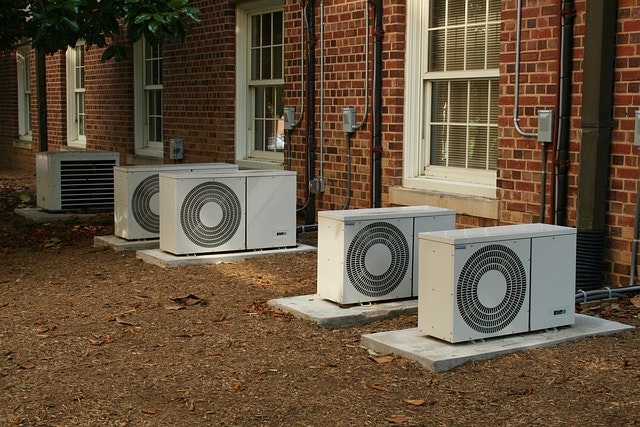
Your outdoor condenser plays a critical role in releasing heat removed from your home. For it to function correctly, it needs plenty of open space around it so warm air can escape efficiently. When that airflow is blocked, cooling performance suffers, and your system must work harder.
Before temperatures spike, take a few minutes to inspect the area surrounding your outdoor unit. Grass clippings, overgrown landscaping, fallen leaves, and stored items can all interfere with ventilation.
For optimal airflow, make sure to maintain:
- Two to three feet of clearance on all sides
- Open space above the unit with no overhanging debris
- No plants, branches, or clutter touching the system
Even small blockages can limit heat release during extreme weather. Keeping the condenser area clear helps your system run more efficiently and reduces the risk of overheating.
Use Smart Thermostat Settings Throughout Summer
Many homeowners assume that turning the thermostat far lower than needed will cool the home faster, but that’s not how most HVAC systems work. Cooling happens at a steady, consistent rate no matter the setting. Lowering the temperature drastically only forces your system to run longer without speeding up the cooling process.
Instead, choose a comfortable temperature and keep it steady. This approach keeps your system from cycling unnecessarily and supports stronger overall efficiency.
Helpful thermostat habits include:
- Avoiding quick, dramatic temperature changes
- Maintaining consistent settings through the day
- Using programmable features to create stable temperature schedules
These simple adjustments ease the workload on your HVAC system and help it remain dependable during periods of severe heat.
What To Do Once a Heat Wave Arrives
Preparation is important, but when extreme heat hits, there are additional steps you can take to protect your cooling system and maintain comfortable indoor temperatures.
Reduce Heat Entering Your Home
Sunlight pouring through windows can raise indoor temperatures quickly. Closing drapes or blinds during the sunniest parts of the day helps limit this heat gain and reduces the workload on your cooling system.
Use Ceiling Fans to Boost Comfort
While ceiling fans do not reduce the actual temperature, they help circulate cooled air more effectively. This movement improves comfort and allows your HVAC system to cool the space more evenly.
Avoid Heat-Generating Activities
Large appliances such as ovens, stoves, and clothes dryers add extra heat to your living space. Limiting their use during the hottest hours can make it easier for your air conditioner to maintain your preferred temperature.
Keep Interior Doors Open
Open doors promote balanced airflow throughout your home. This helps prevent warm pockets from forming and enables cooled air to circulate more evenly across all rooms.
Schedule Preventive HVAC Maintenance
Routine HVAC maintenance is one of the most reliable ways to prepare your system for extreme weather. While tasks like changing filters and clearing debris are manageable for homeowners, a professional tune-up offers deeper protection.
During a maintenance visit, technicians typically:
- Check the system’s refrigerant levels
- Examine electrical components for safe operation
- Clean condenser coils for improved efficiency
- Test system controls and overall performance
- Confirm that airflow meets system requirements
Minor issues that go unnoticed during mild weather can become major problems during a heat wave. A professional inspection helps catch early signs of wear and prevents unexpected failures.
Just as regular vehicle servicing helps avoid breakdowns, seasonal HVAC maintenance gives your cooling system the support it needs to handle peak demand.
Seal Air Leaks for Better Efficiency
Your HVAC performance depends not only on the equipment itself but also on how well your home retains cooled air. Gaps around windows, doors, and attic openings can allow cold air to escape while pulling warm air inside.
Sealing these leaks can:
- Improve indoor comfort levels
- Reduce energy usage
- Lighten the load on your cooling system
- Maintain more stable temperatures throughout your home
Even small improvements to insulation and sealing can provide meaningful benefits during long periods of extreme heat.
Why Heat Wave Preparation Matters
Extended periods of high temperatures can push HVAC systems to their limits. The longer the equipment runs without rest, the more strain it places on sensitive components. Preparing early helps reduce that strain, increases reliability, and supports smoother operation.
By focusing on airflow, outdoor clearance, consistent thermostat settings, and smart indoor habits, you can help your home stay cool and protect your HVAC system when temperatures rise.
Be Ready Before Temperatures Spike
Heat waves often arrive with little notice. Updating your filters, checking your outdoor unit, and reviewing your thermostat settings before the heat hits can help you avoid unexpected repairs. For added reassurance, consider scheduling preventive HVAC maintenance so your system is fully prepared for the summer season.
If you have questions about preparing for extreme heat or want to schedule HVAC service, now is the perfect time to reach out and ensure your home stays comfortable all summer.