How to Prepare Your Furnace for a Denver Winter: Essential Steps for Reliable Heat
Jose Armas | Jan 16 2026 18:00
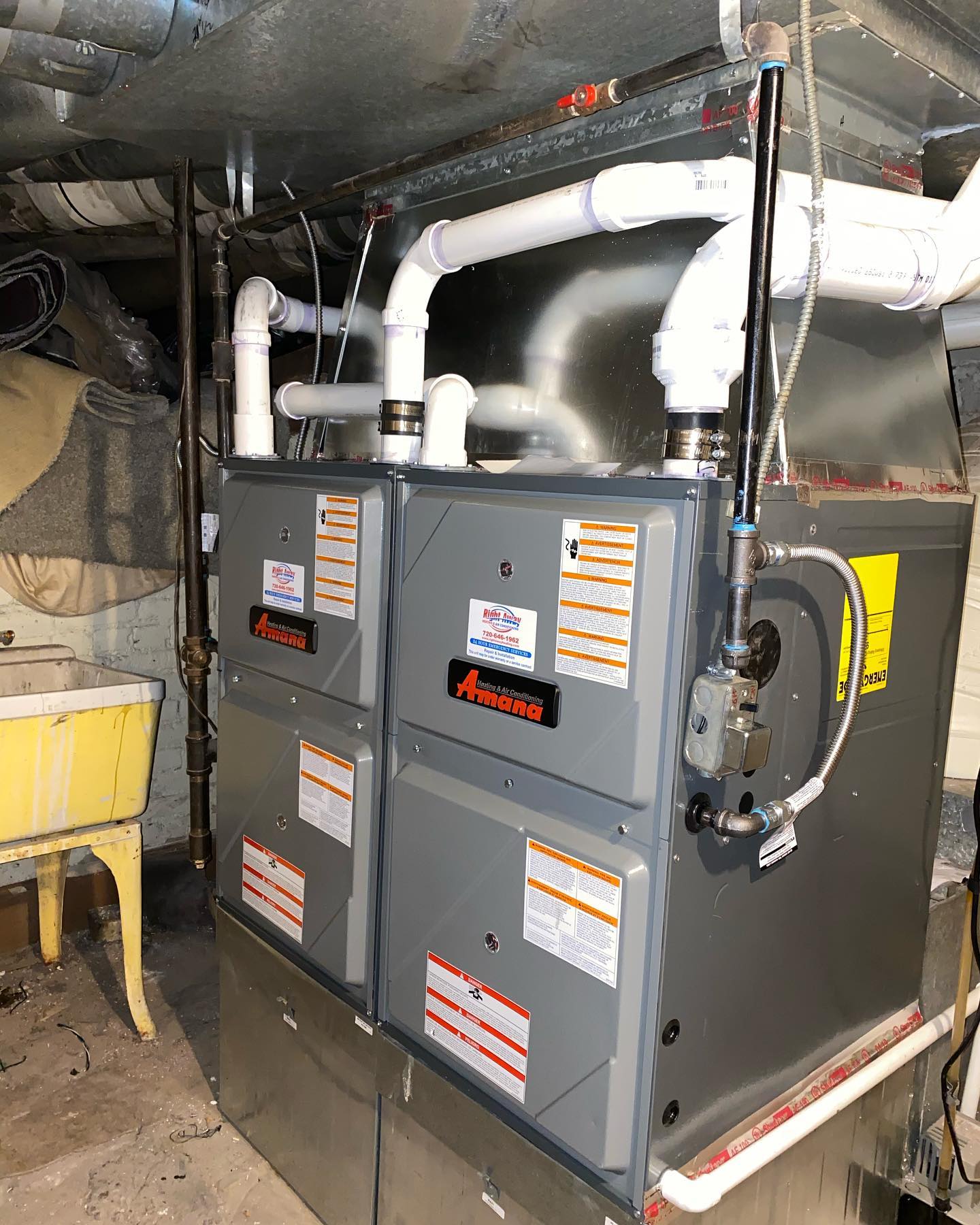
Denver Winters Are Tough on Furnaces — Preparation Matters
If you’ve lived through a Colorado winter, you know how quickly temperatures can drop—and how hard your furnace has to work to keep up. Between sudden cold snaps, high altitude, and dry air, Denver-area furnaces face unique challenges every winter. Preparing your system before the cold sets in isn’t just about comfort—it’s about reliability, safety, and avoiding emergency breakdowns when demand is highest.
At Right Away Heating & Air Conditioning, we take a repair-first approach, helping homeowners get the most out of their existing systems before talking replacement. A little preparation goes a long way.
When to Schedule a Fall Furnace Tune-Up in Denver and Surrounding Areas
The best time for Denver furnace maintenance is early fall—typically September through October. This gives you time to address small issues before they become no-heat emergencies during the first big freeze. Homeowners in Denver, Aurora, Thornton, and nearby suburbs often wait until it’s already cold, which can mean longer wait times and higher stress.
A professional tune-up ensures your furnace is operating safely and efficiently before it’s running daily. It also helps catch worn components early, when repairs are simpler and more affordable.
Filter Changes and Airflow Tips for Aurora and Thornton Homes
Dirty filters are one of the most common (and avoidable) furnace problems we see. Homes in Aurora and Thornton often deal with extra dust due to open land, construction, and dry conditions. A clogged filter restricts airflow, forces your furnace to work harder, and can lead to overheating or system shutdowns.
We recommend checking filters monthly during heating season and replacing them every 1–3 months, depending on pets, allergies, and home size. Proper airflow keeps your furnace running efficiently and helps maintain even heating throughout the home.
Checking Vents, Thermostats, and Pilot Lights
Before winter hits, take time to walk through your home and make sure all supply and return vents are open and unobstructed. Furniture, rugs, and curtains can block airflow without homeowners realizing it.
Your thermostat should also be tested for accuracy—especially if you’ve noticed uneven temperatures or frequent cycling.
For older systems, pilot lights should burn steady blue. A flickering or yellow flame can indicate a combustion issue that should be inspected by a professional right away.
How Denver’s Altitude Impacts Furnace Performance
Denver’s elevation affects how furnaces burn fuel. At higher altitudes, combustion efficiency changes, and systems that aren’t properly adjusted may struggle to perform or wear out faster. This is one reason local experience matters.
A technician familiar with HVAC in Denver
knows how to fine-tune burners and airflow for optimal performance in Colorado’s climate.
Signs It’s Time to Call a Professional
If you notice unusual noises, inconsistent heating, rising utility bills, or frequent cycling, your furnace may need professional attention. And if your system won’t start at all, it’s time to call for help.
Right Away Heating & Air Conditioning offers fast, honest service with no high-pressure sales—just clear answers.