National Preparedness Month - September - HVAC
Jose Armas | Sep 09 2026 17:00
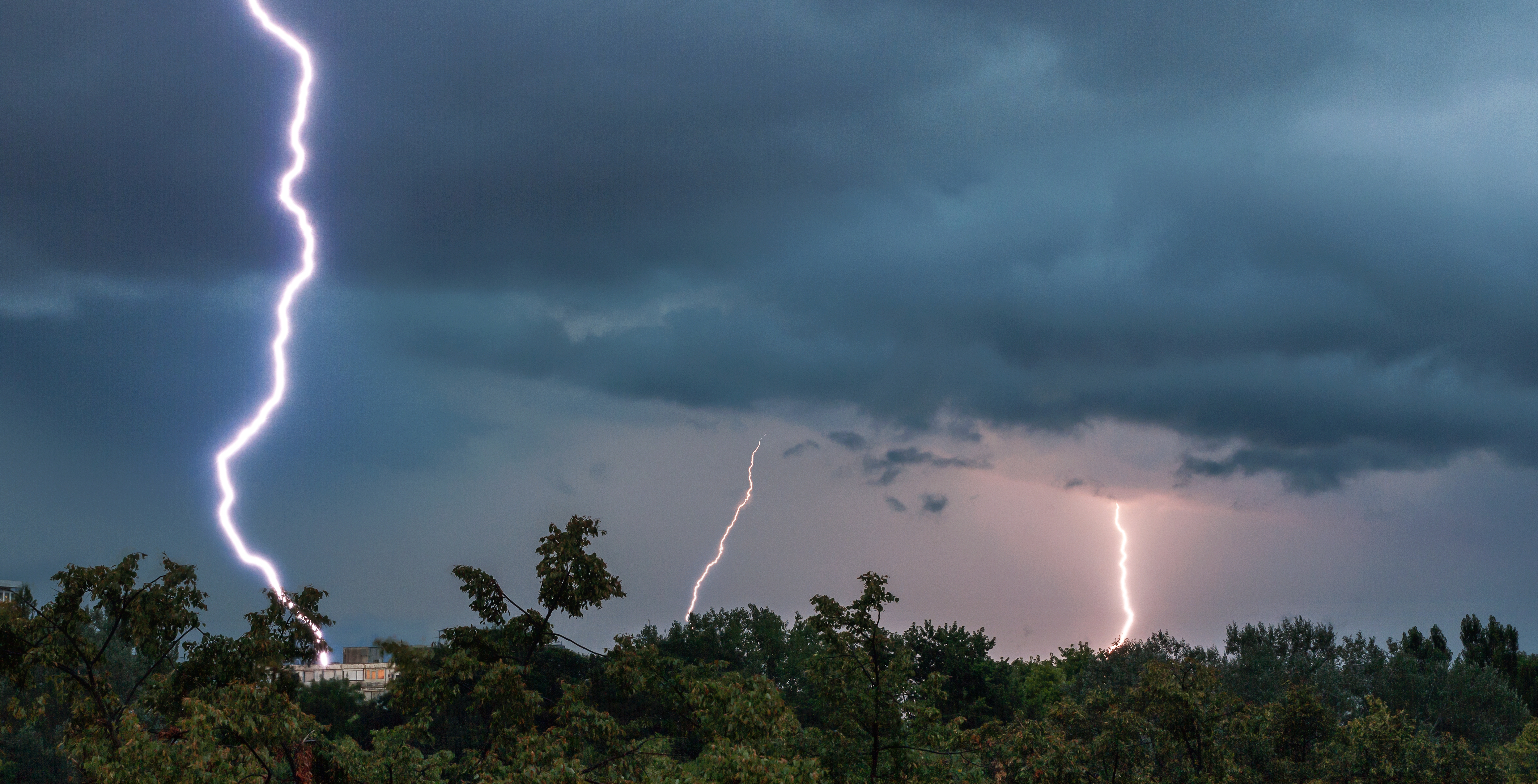
Colorado weather can shift quickly, and storms often arrive with little warning. Preparing your home for severe conditions means thinking beyond emergency kits and flashlights. Your HVAC system also needs protection when high winds, heavy rain, and unpredictable electrical activity occur. With storm season approaching, this guide shares how to help keep your heating and cooling equipment ready for extreme weather.
Shut Down Your HVAC System Before Severe Weather
Switching off your HVAC system before a storm is one of the easiest steps you can take to reduce the chances of damage. Intense wind, lightning, and unstable power conditions can all put strain on heating and cooling components. Turning the system off ahead of time may help lower the risk of electrical issues caused by surges or sudden outages.
Window AC units also need attention as storms approach. These should be unplugged and stabilized so they do not shake loose or allow rain to seep in. During stronger weather events, bringing window units inside can prevent impact damage and help minimize weak spots around windows.
Acting early gives you more control and keeps you out of unsafe conditions. Waiting for storms to intensify can limit your ability to protect your equipment safely.
Clear the Area Around the Outdoor Unit
Your outdoor condenser is exposed to the elements, making it vulnerable when storms roll in. Items like fallen branches, yard tools, toys, or loose landscaping materials can become hazards when winds pick up. Keeping the area clear helps reduce the risk of debris striking the system.
Trimming shrubs and removing overgrowth not only improves airflow on regular days but also helps protect the equipment during severe weather. Homeowners should take time before storm season to clear leaves, sticks, and clutter from around the unit.
Once the storm has passed, check the outdoor area carefully before turning the system back on. Issues such as bent fins, out-of-place wiring, strange sounds, or visible debris inside the unit may signal damage that requires professional service from a team like Right Away Heating and Air Conditioning LLC.
Protect Against Power Surges
Lightning and storm-related power issues can create sudden surges strong enough to harm sensitive HVAC parts. Components like compressors, thermostats, and circuit boards are especially vulnerable to voltage fluctuations.
Installing a dedicated surge protector is an effective way to shield your system from electrical instability. Many homeowners think to safeguard electronics such as televisions or computers, but the HVAC system is one of the most costly electrical investments inside the home. Adding surge protection helps reduce the likelihood of damage that can lead to expensive repairs.
Preventing electrical failure is also beneficial during the busiest heating and cooling periods, when a sudden breakdown can be both inconvenient and uncomfortable.
Why Backup Generators Are Valuable During Storm Season
A power outage affects more than lights. Losing electricity can impact refrigeration, medical equipment, communication devices, and your HVAC system. A backup generator provides temporary power when utilities go out, helping essential systems continue running safely.
Indoor comfort becomes especially important during extreme temperatures. A generator can help operate heating or cooling equipment, keeping your household protected from intense heat, humidity, or rapidly dropping fall temperatures common throughout the Denver area.
If you already own a generator, early fall is an ideal time to check that it’s ready for use. Reviewing fuel levels, replacing filters, confirming battery strength, and performing test runs help ensure the generator will function well when a storm arrives.
Planning ahead also means considering how much power you’ll need. Some homeowners may only want enough backup energy to support critical equipment, while others may prefer more comprehensive home coverage. Understanding your priorities will simplify preparation as storms become more frequent.
Schedule Seasonal HVAC Maintenance
Routine HVAC inspections are one of the best ways to prepare your home for changing weather and potential storm activity. Seasonal maintenance helps identify issues such as airflow problems, worn parts, or electrical concerns before they cause system failure.
Typical fall maintenance may include:
- Replacing or cleaning air filters to support healthier airflow
- Checking and clearing vents and registers to optimize performance
- Inspecting electrical connections for signs of wear or overheating
- Testing heating functions before colder weather arrives
- Removing debris from around the outdoor condenser
- Evaluating the system’s overall function to catch potential problems early
These steps can help improve efficiency, extend the life of your equipment, and reduce the risk of unexpected breakdowns during high-demand periods. Seasonal HVAC service is especially important in Denver, where weather can shift from warm to freezing without much warning.
Post-storm system checks are equally important. Flooding, fallen branches, or electrical disruptions can cause hidden damage. Having a professional inspect your heating and cooling equipment after severe weather may help prevent further complications and protect your home’s comfort.
Preparing your HVAC system before storm season, securing reliable backup power, and staying current on maintenance all work together to help protect your home. Right Away Heating and Air Conditioning LLC encourages homeowners to think ahead and take preventive steps to stay comfortable and safe, no matter what the forecast brings.
If you’re ready to schedule fall maintenance, explore surge protection options, or learn more about generator readiness, our team is here to help with dependable HVAC and plumbing support across the Denver metro area.