What To Do If Your HVAC Quits Working This Summer
Jose Armas | Jun 25 2026 15:00
When summer temperatures soar in Denver, a dependable HVAC system becomes essential for staying comfortable indoors. Even well-maintained equipment can become strained during long stretches of extreme heat. If your AC suddenly shuts down, the situation can escalate quickly — but not every issue signals an emergency. Understanding the right steps to take can help you protect your system, prevent additional wear, and determine when it is time to call Right Away Heating and Air Conditioning LLC for professional HVAC repair.
This guide walks you through simple, safe checks you can perform at home before scheduling service. These steps can help you pinpoint common problems and keep your home as comfortable as possible while you troubleshoot.
Start With Safety First
Before doing anything else, take a moment to look for signs of a serious HVAC malfunction. Some issues are minor, but others involve electrical hazards or refrigerant components that require professional attention. If you detect smoke, a burnt odor, loud buzzing, or visible damage around the unit, turn off your system immediately using the thermostat or your electrical panel.
HVAC systems contain high‑voltage parts and pressurized refrigerant, so avoid attempting any repairs beyond basic visual checks. If none of these warning signs appear, you can safely move on to the next steps.
Check the Thermostat Settings
One of the simplest causes of sudden cooling issues is an incorrect thermostat setting. With smart devices, battery failure, or recent adjustments, it is easy for a setting to change without you realizing it.
- Confirm the thermostat is set to cool mode.
- Lower the set temperature below the room temperature.
- Make sure the fan mode is correct.
- Replace the batteries if your model uses them.
- Look for glitches or resets on smart thermostat systems.
A small setting error can mimic a major breakdown, so this quick check is always a good place to start.
Look for Power Issues
If your HVAC system does not turn on at all, you may be dealing with a power problem rather than a cooling failure. Before assuming the system is broken, verify that it is receiving electricity.
- Inspect your breaker panel for tripped circuits.
- Check the outdoor disconnect box near the AC condenser.
- Look at any indoor safety switches connected to the furnace or air handler.
Heavy system demand during heat waves or electrical surges from summer storms can trip breakers. Resetting a breaker once may restore function, but if it repeatedly trips, stop trying to reset it. This can indicate an electrical problem that needs professional diagnosis from an HVAC technician.
Inspect the Air Filter and Airflow
Restricted airflow is one of the most common reasons AC systems struggle in hot weather. When air cannot move freely through your HVAC system, cooling efficiency drops and the system may shut down to protect itself.
Check and replace a clogged air filter if needed. A dirty filter can lead to frozen coils, increased energy use, and unnecessary strain on your equipment. After that, ensure all vents are open and unobstructed by furniture or decor. Adequate airflow is essential for proper heat exchange and consistent cooling.
Examine the Outdoor Unit
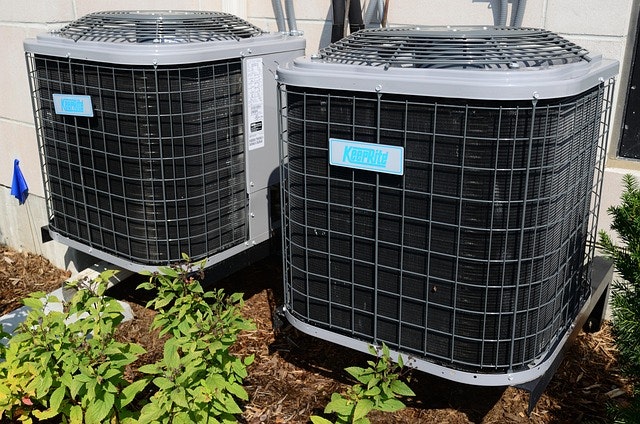
Your outdoor condenser works hard during the summer to expel heat from your home. When debris builds up around the unit, the system cannot operate properly. Take a moment to visually inspect the space around the condenser.
- Remove grass clippings, leaves, or branches from the surrounding area.
- Make sure the unit has enough clearance on every side.
- Listen for unusual sounds like grinding or intense buzzing.
If the fan outside is not running or you notice alarming noises, avoid further attempts to troubleshoot. These symptoms often point to mechanical failures, which should be handled by a licensed HVAC professional.
Watch for Frozen Coils
While it may seem unexpected, frozen coils are a common summertime issue. Low refrigerant levels or poor airflow can cause ice to form on the indoor coil or refrigerant lines, leading to weak airflow or warm air from the vents.
- Reduced airflow coming through vents
- Air that feels warm instead of cool
- Visible frost or ice on the refrigerant lines
If you notice these signs, turn the system off and let it thaw completely. Running your AC while frozen can lead to more severe damage. Once thawed, check your air filter before starting the system again. If freezing continues, it is time to schedule professional HVAC repair.
Stay Comfortable While Troubleshooting
If your AC stops working during a heat wave, focus on managing indoor temperatures while you work through basic inspections. Close your shades during the hottest parts of the day to reduce heat gain. Use ceiling fans or portable fans to keep air moving, which can make higher temperatures feel more comfortable. Try to avoid using heat‑producing appliances like ovens or dryers during peak daylight hours.
Be sure to stay hydrated and keep an eye on vulnerable household members and pets during extended cooling outages.
When to Call for Professional HVAC Repair
Basic troubleshooting can help you identify simple issues, but some problems require expert attention from Right Away Heating and Air Conditioning LLC. If your system will not restart after you have checked the thermostat, power supply, airflow, and outdoor equipment, it is time to schedule service.
Repeated breaker trips, loud or unusual noises, frozen coils that keep returning, and continued loss of cooling all indicate the need for a professional HVAC technician. During peak summer demand, service appointments book quickly, so contacting a technician early can minimize downtime.
Prevent Future Summer HVAC Breakdowns
Unexpected AC failures can be stressful, but many of them can be prevented with routine maintenance. Seasonal tune‑ups allow technicians to identify worn components, airflow issues, and electrical concerns before they turn into expensive repairs. Regular filter changes and system cleanings also help your HVAC equipment run more efficiently during Colorado’s hottest months.
Right Away Heating and Air Conditioning LLC encourages homeowners to schedule HVAC service before peak summer weather hits. Our maintenance plans help keep your system in top shape, reduce the likelihood of emergency breakdowns, and extend the lifespan of your HVAC equipment.
If your cooling system is not performing as expected or you would like to prepare your home for the next heat wave, contact us today to schedule maintenance or HVAC repair. Our team is here to help Denver homeowners stay comfortable all season long.