Why Denver Homeowners Struggle to Find Boiler Technicians — And What to Look For Instead
Jose Armas | Feb 27 2026 18:00
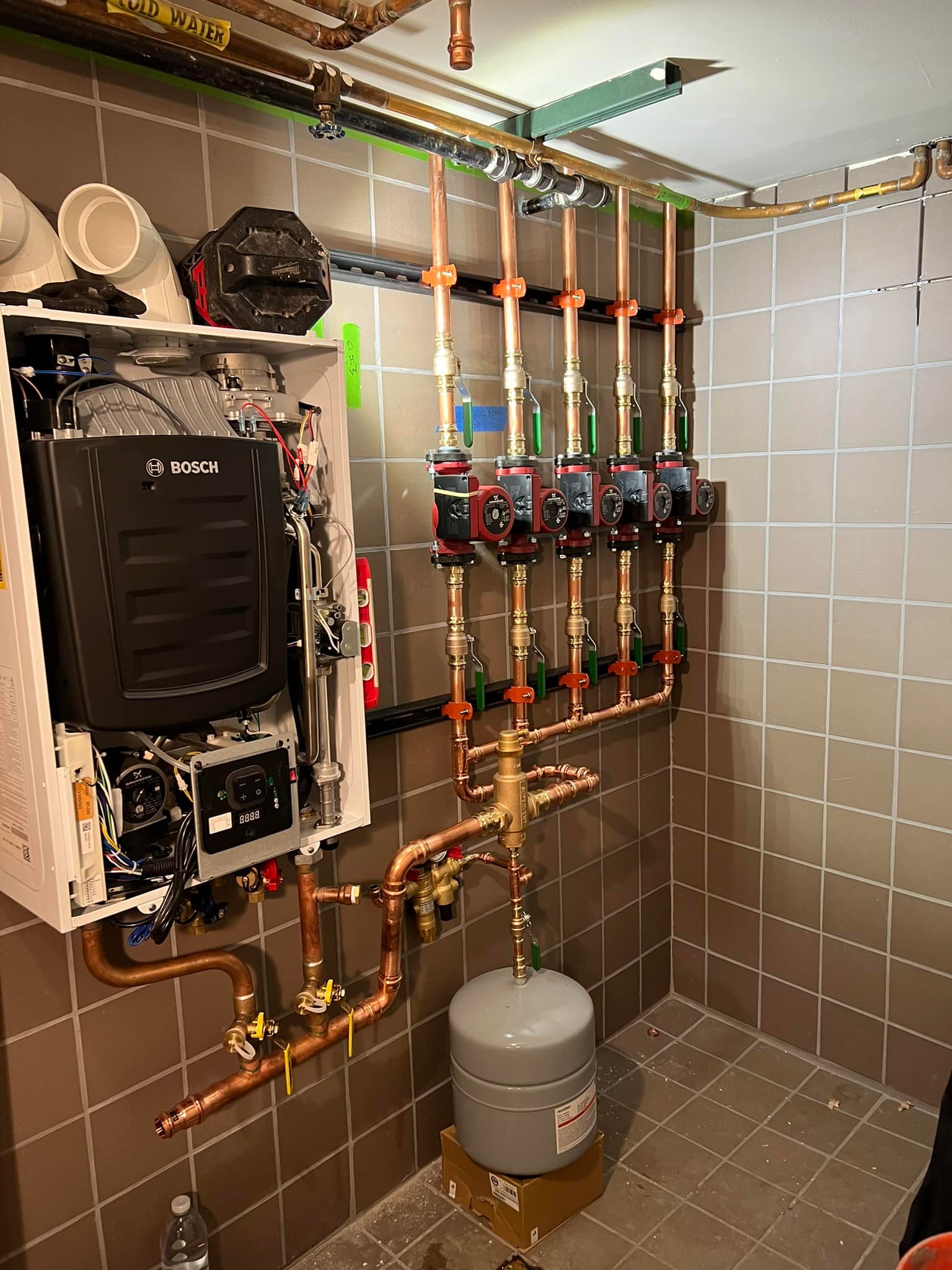
“No One Works on Boilers Anymore” — And They’re Right
If you own a boiler in the Denver area, you’ve probably heard this before — usually after making several frustrating phone calls.
Homeowners regularly tell us the same story:
They call company after company, only to hear, “We don’t service boilers,”
or “We don’t have a technician for that.”
In some cases, they’re told the boiler should just be replaced — without a real inspection or explanation.
The truth is, finding a qualified Denver boiler technician has become increasingly difficult. And it’s not because boilers are unreliable — it’s because fewer companies are trained to work on them.
Why Boiler Expertise Is Disappearing
Boilers aren’t commonly taught in modern HVAC training programs, especially in regions like Colorado where forced-air systems dominate new construction. As a result, many technicians graduate without meaningful boiler experience.
When companies do have a boiler-trained technician, they tend to protect that person — because they know how hard they are to replace. That leaves many homeowners with limited options and long wait times.
In Denver, this shortage is especially noticeable in older neighborhoods and areas like Westminster, where boilers are still common.
Why Boilers Get Replaced When They Don’t Need To
Because boilers are misunderstood, they’re often labeled “obsolete” or “too complicated to fix.” In reality, boilers are known for longevity and efficiency when maintained properly.
We regularly see boilers that are:
-
Structurally sound
-
Repairable
-
More cost-effective to maintain than replace
But when a technician isn’t trained on boilers, replacement becomes the default recommendation — not because it’s the best option, but because it’s the only one they know.
What a Qualified Boiler Technician Should Actually Know
Not all HVAC experience translates to boiler work. A qualified boiler technician should understand:
-
Hydronic heating systems and circulation
-
Combustion and venting at Denver’s altitude
-
Air elimination and pressure balancing
-
Mineral buildup and water quality issues
-
Zone controls and older system layouts
If a company can’t clearly explain these concepts — or avoids them altogether — that’s a red flag.
Why Local Experience Matters for Boiler Service
Denver’s altitude, water quality, and housing stock all affect boiler performance. Mineral-heavy water contributes to scale buildup, and altitude impacts combustion efficiency.
A technician unfamiliar with these factors may miss warning signs or misdiagnose problems. Local experience isn’t just helpful — it’s essential for safe, accurate boiler service.
When Boiler Replacement Does Make Sense
Repair-first doesn’t mean repair-only. There are times when replacement is the right call — especially when safety, efficiency, or long-term reliability are at risk.
The difference is how that recommendation is made. Replacement should come after:
-
A thorough inspection
-
Clear explanation of repair options
-
Honest discussion of costs and benefits
Homeowners deserve to understand why replacement is being recommended — not just hear that it is.
Why Right Away Heating & Air Conditioning Is Different
Right Away Heating & Air Conditioning has invested in boiler expertise at a time when many companies have stepped away from it. That commitment allows us to serve Denver-area homeowners who often struggle to find qualified help.
We don’t treat boilers as a problem to avoid — we treat them as a system worth understanding.